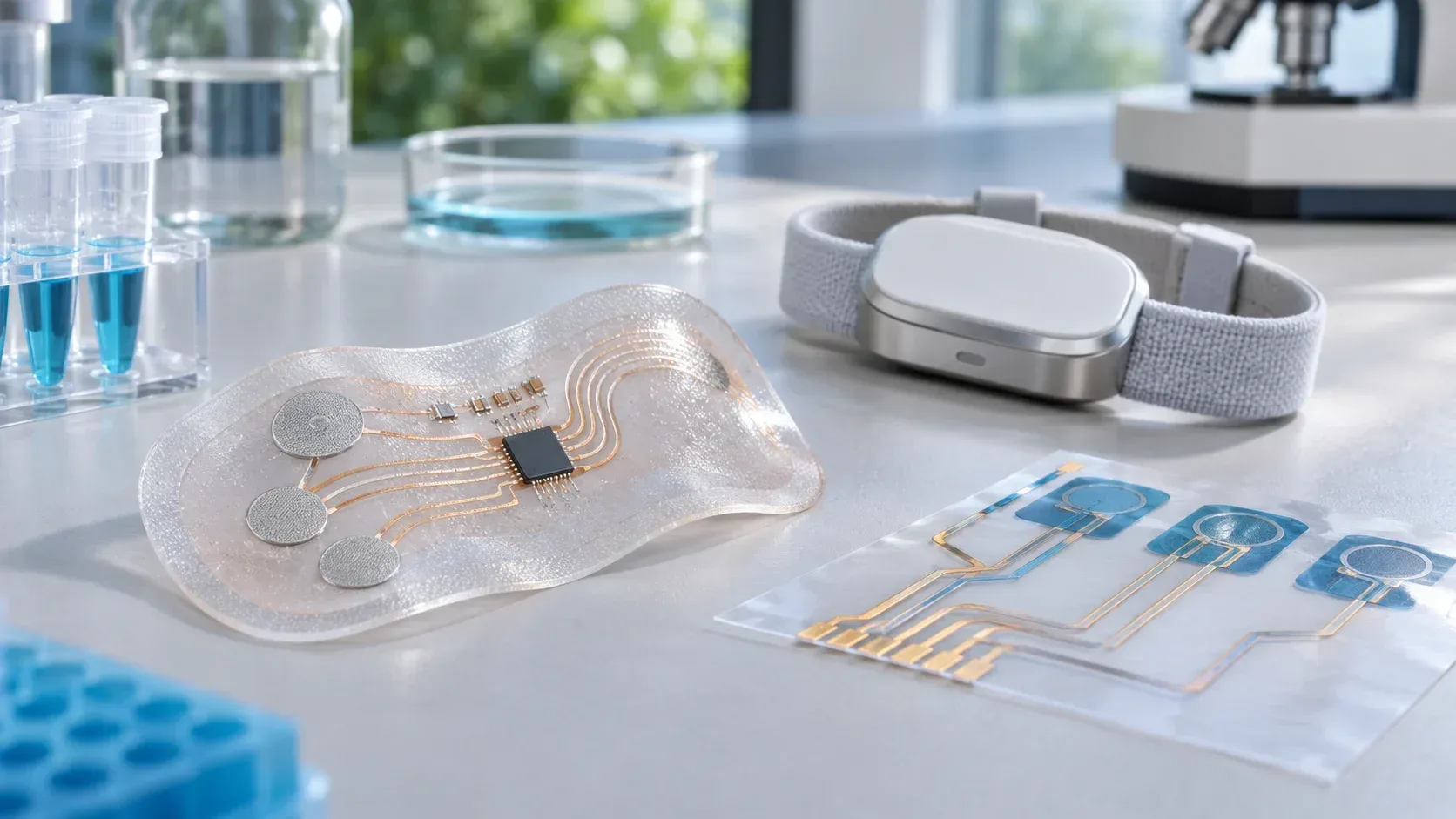
From research ideas to healthcare solutions
How biomedical research can progress from an initial concept through prototyping, evaluation and practical translation.
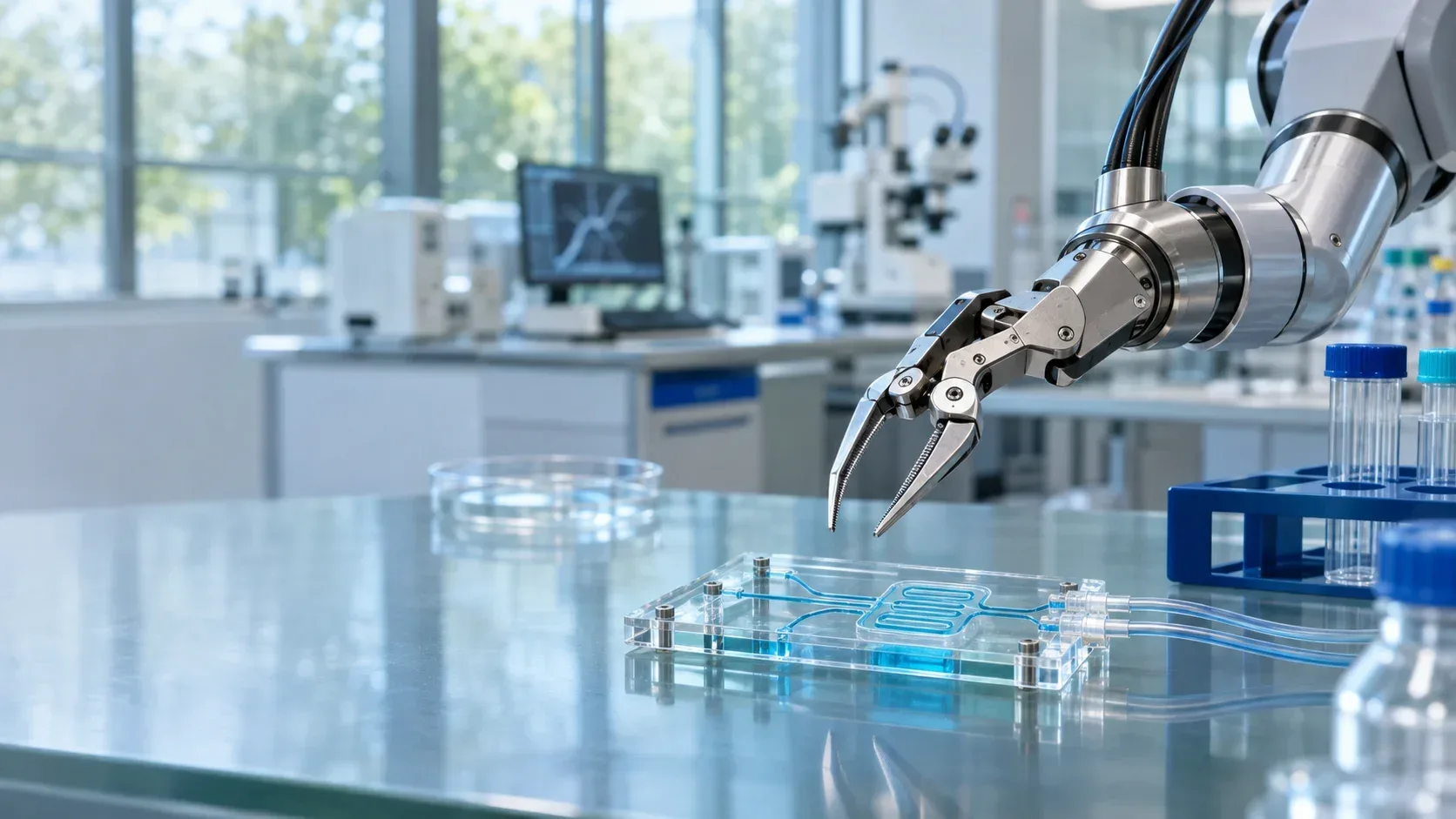
Defining the purpose of a new technology
Research translation begins with a specific need and a clear description of the people who may use a technology. The team must understand both the intended benefit and the circumstances in which a device, method or software tool would operate. This helps keep development focused as new technical possibilities emerge.
Learning through prototypes
Early prototypes are tools for answering questions. A simple model can test whether a mechanism works, while a more developed system may reveal challenges in reliability, usability or integration. Each iteration should make its assumptions explicit and record what was learned. A promising demonstration is the beginning of an evaluation process rather than its conclusion.
Planning evidence and collaboration
As a concept matures, the research team can plan the evidence needed for the next decision. This may include repeatability studies, engineering verification, user feedback or a comparison with an established method. Clinicians, engineers and potential development partners can contribute different perspectives on feasibility and the path ahead.
Keeping the wider system in view
Manufacture, maintenance, data handling and compatibility with existing workflows all influence whether an idea can be used beyond the laboratory. Considering these factors early helps a project develop a realistic roadmap. Discover how the institute’s research areas approach connected challenges in biomedical engineering.